Politically Incorrect College Rankings
The most famous college rankings tell you which schools are hardest to get into. The Manhattan Institute’s new 2026 City Journal College Rankings ask a different question: what do students actually get for their money?
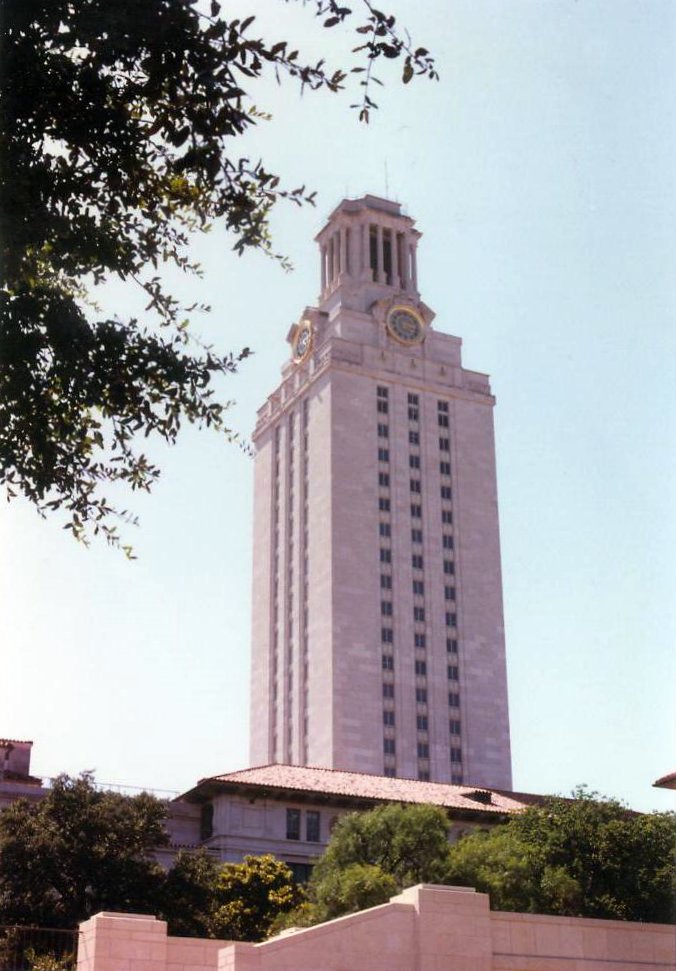
The results, released November 10, will surprise anyone who still treats the Ivy League as the definition of quality. The University of Texas at Austin finishes first, followed by the University of Florida and Notre Dame. MIT is fourth. Yale, the only Ivy League school in the top ten, comes in tenth. Princeton is fifteenth; Harvard is tied for nineteenth. At the bottom of the 115 schools ranked sit Smith and Oberlin — Oberlin dead last with a score of 18.3 out of 100.
The rankings score schools on 95 measures across four categories: campus governance, educational experience, student life, and career outcomes — with outcomes carrying the most weight. What they deliberately leave out is just as telling: admissions selectivity, incoming test scores, and every other measure of past prestige. A school cannot ride a reputation it earned a century ago.
That is the point. The Institute’s Kevin Wallsten, who led the project, puts it plainly: the rankings judge schools “by present performance, not past prestige.” They reward free speech protections, viewpoint diversity, a curriculum grounded in Western civilization and American institutions, and whether graduates earn back the cost of their degrees. They penalize ideological uniformity and administrative bloat dressed up as education.
The headline number should trouble everyone in higher education: on a 100-point scale, not one of the 115 schools scored above 80. Only seven reached 70. Eighty-seven scored below 60. The average American college earned a 50. If this were a report card, the whole sector would be failing.
There is a pattern in who does well. Big public universities dominate the top of the list — Texas, Florida, North Carolina, Georgia Tech, Purdue, Ohio State. Small liberal arts colleges cluster at the bottom. Wallsten says that is no accident: the small schools tend to be far more ideologically homogeneous, while public universities offer lower in-state tuition and, in some states, a mandated civics curriculum. Low cost makes a return on investment easier to achieve, and a campus that tolerates dissent teaches more than one that polices it.
None of this means a student admitted to Harvard should enroll at Texas instead. Wallsten himself says the list is not prescriptive. But for the many thousands of families without legacy connections, these rankings ask the question that matters: is college worth it? Polls show only 31 percent of Americans now call a college education “very important,” down from 70 percent in 2013. Post-Covid the value of a college education has come into question as jobs are harder to find and with Artificial Intelligence handling tasks that once were handled by entry-level employees.
The Ivy league schools aren’t going anywhere, but they are now competing with cheaper schools for students who are valuing a college education based more on the cost than on prestige and avoiding much of the politics that comes with the liberal mentality of these schools.
The public has noticed what the rankings measure. It is time the colleges did, too.
Written with the assistance of Muse.

AI News Desk