Tuition Discount Tops 57% at Private Nonprofit Institutions
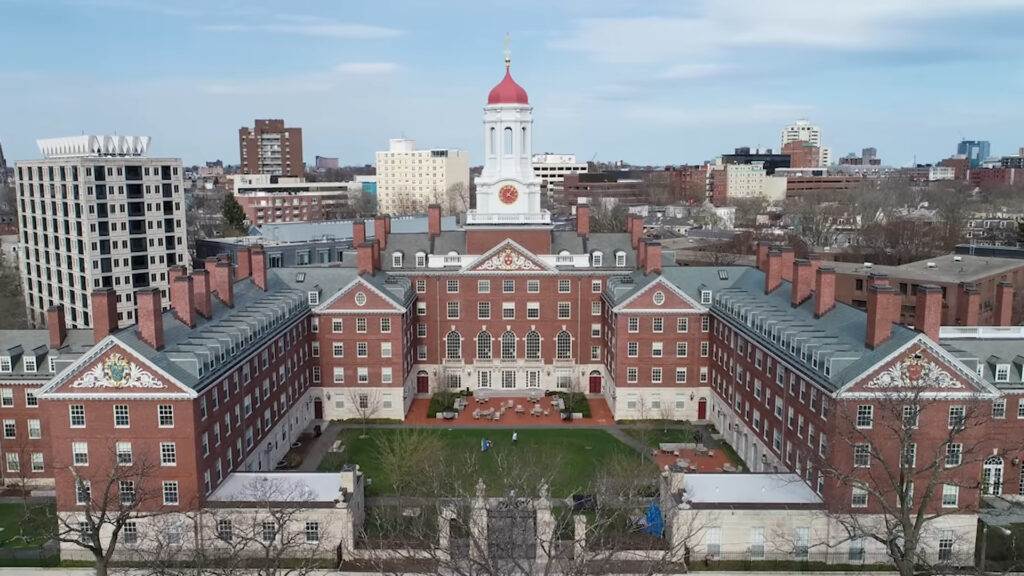
The latest study from the National Association of College and University Business Officers (NACUBO) highlights the steep tuition discounts private nonprofit colleges and universities are offering as they struggle to boost enrollment at a time when fewer students are choosing to attend college.
According to preliminary estimates for the 2025–2026 academic year, the average institutional tuition discount rate for first-time, full-time undergraduates reached 57.1 percent. That’s up from 54.5 percent in the previous year and marks the highest point in the last ten years. For all undergraduates combined, the discount rate climbed to 51.3 percent.
While a 57.1 percent discount sounds like a win for families looking at college affordability, it masks a structural crisis within university administration. The reality is that colleges are caught in a hyper-competitive arms race. With the impending demographic cliff—a shrinking pool of high school graduates—institutions are forced to offer massive financial incentives to entice applicants.
An estimated 90 percent of first-time undergraduates received some form of institutional aid this year. Yet despite these aggressive price cuts, baseline student enrollment across participating institutions has remained flat. Colleges aren’t actually growing their student bodies; they are simply paying significantly more per student just to maintain their current class sizes.
The NACUBO report reveals that after adjusting for inflation, average net tuition revenue from all undergraduates fell by 1.9 percent. For first-time students, it fell even sharper, at 2.2 percent.
To survive, independent colleges have attempted to improve retention and graduation rates to offset freshman recruitment losses. However, as NACUBO itself noted, “retention alone is not enough to eliminate financial strain at many tuition-dependent institutions.”
The report underscores the fallacy that tuition is based on what it costs an institution to educate students, as well as the actual value of an education. This trend has been driven by the student loan racket, which has made borrowing to fund a degree all too easy and allowed colleges and universities to ratchet up tuition since they get paid even if the student defaults on the loan. Tuition costs have become equated with the quality of the education received, when in actuality, they were just funding a bloated administrative structure that is now coming home to roost.

Don Irvine
Donald Irvine is the chairman of of Accuracy in Academia (AIA), a non-profit research group reporting on bias in education. Irvine follows his father’s legacy, Reed Irvine, to critically analyze the liberal media’s bias and brings over thirty years of media analysis experience. He has published countless blog posts and articles on media bias, in context of current events, and he has been interviewed by many news media outlets during his professional career. He currently hosts a livestream weekly show on AIA’s Facebook page which discusses current events.
Irvine graduated from the University of Maryland and rose up the ranks to become chairman of Accuracy in Media until his transition to AIA.
He resides in the suburbs around the nation’s capital and is a proud father and grandfather.