UCSD’s Math Crisis Exposes the Failure of Public Education
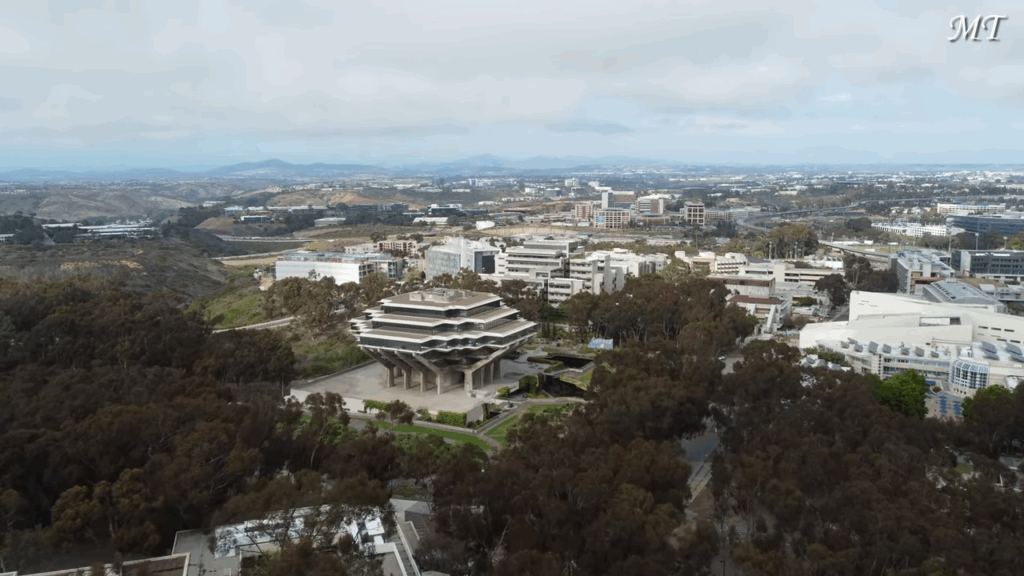
The recent, alarming report from UC San Diego is more than a campus-specific problem; it is a blaring siren for the state of our public education system. The facts are sobering: between 2020 and 2025, the share of UCSD freshmen requiring remedial math instruction for skills below the middle school level surged nearly thirtyfold. Nearly one in eight incoming students, many with 4.0 high school math GPAs, cannot pass placement tests on elementary arithmetic.
This disconnect—the straight-A student who can’t round a number—is the clearest indication yet of a severe, systemic decline in academic preparation that began well before the pandemic.
The poor performance of the supposedly “smart” math students has exposed the failures of public education which has prioritized social metrics over academic standards with the culprits ranging from grade inflation with the “do no harm” grading policies during and after the pandemic that has rendered high school transcripts functionally meaningless. In addition to the grading issue are students who are promoted without achieving fluency in fundamental concepts. Mathematics is cumulative; a lack of mastery in fractions or algebra makes calculus an exercise in rote memorization, not understanding and leading to the ultimate failure of the student.
“Admitting large numbers of students who are profoundly underprepared risks harming the very students we hope to support, by setting them up for failure,” the report says.
“It also puts significant strain on faculty who work to maintain rigorous instructional standards. Especially now, when our resources become more constrained, we cannot take on more remedial education than we can responsibly and effectively deliver.”
The collapse in math preparation at an elite public university like UCSD confirms that the rot runs deep. It demonstrates a national retreat from rigorous academic standards which has been taking place for decades and has been propagated by the teachers unions, who supposedly put students first.
If schools like UCSD have to spend time and money bringing students up to college-level mathematics, that is time and money that can’t be spent on their educational purpose to help the students prepare for a future career.
Rather than lowering standards, which has been the case nationwide, K-12 education needs to raise the bar to challenge students so they are better prepared to handle the rigor of college and university courses.
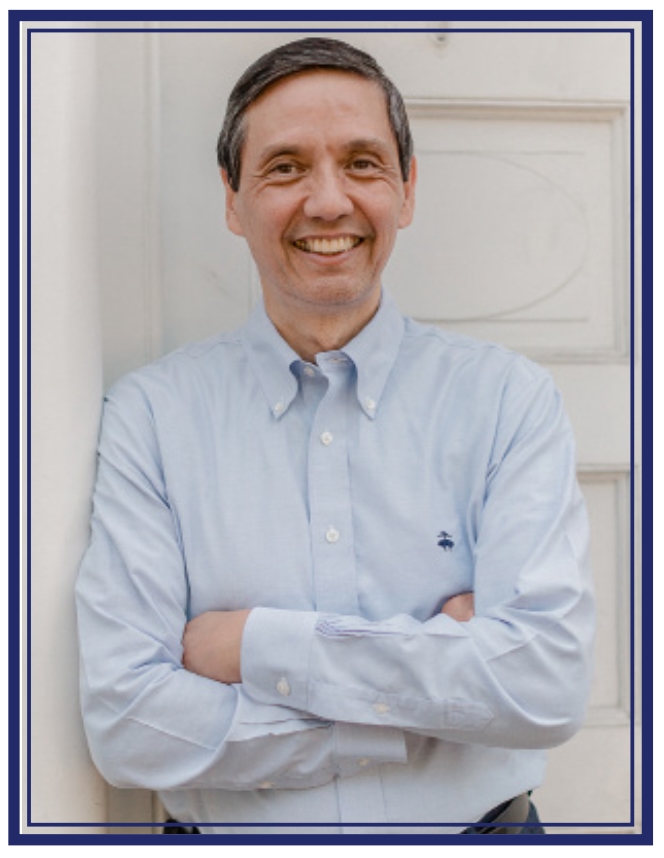
Don Irvine
Donald Irvine is the chairman of of Accuracy in Academia (AIA), a non-profit research group reporting on bias in education. Irvine follows his father’s legacy, Reed Irvine, to critically analyze the liberal media’s bias and brings over thirty years of media analysis experience. He has published countless blog posts and articles on media bias, in context of current events, and he has been interviewed by many news media outlets during his professional career. He currently hosts a livestream weekly show on AIA’s Facebook page which discusses current events.
Irvine graduated from the University of Maryland and rose up the ranks to become chairman of Accuracy in Media until his transition to AIA.
He resides in the suburbs around the nation’s capital and is a proud father and grandfather.